Sleek Linear Fireplaces: Modern Design & Heating Solutions

Sleek Linear Fireplaces — Modern Heat, Minimal Footprint
Sleek linear fireplaces pair a long, narrow flame aperture with contemporary materials to give homes striking visual impact and useful zone heating. This guide breaks down what linear fireplaces are, why their proportions suit minimalist and open-plan layouts, and how to choose between electric, direct-vent gas, and ventless gas models based on performance and installation limits. Many homeowners want the warmth and glow of a fireplace without the bulk or venting work of a masonry unit — linear fireplaces deliver on flame presentation, flexible placement, and lower upkeep. You’ll learn how LED flame systems, gas burners, venting options, and multi-sided designs affect realism and efficiency, when to call a certified technician, and how to plan installs under TVs or as room dividers. We also include local notes for Pensacola and Destin homeowners, practical checklists, comparison tables, and clear, code-aware steps so you can evaluate options and plan a successful installation.
What Are Sleek Linear Fireplaces and Why Are They Ideal for Modern Homes?
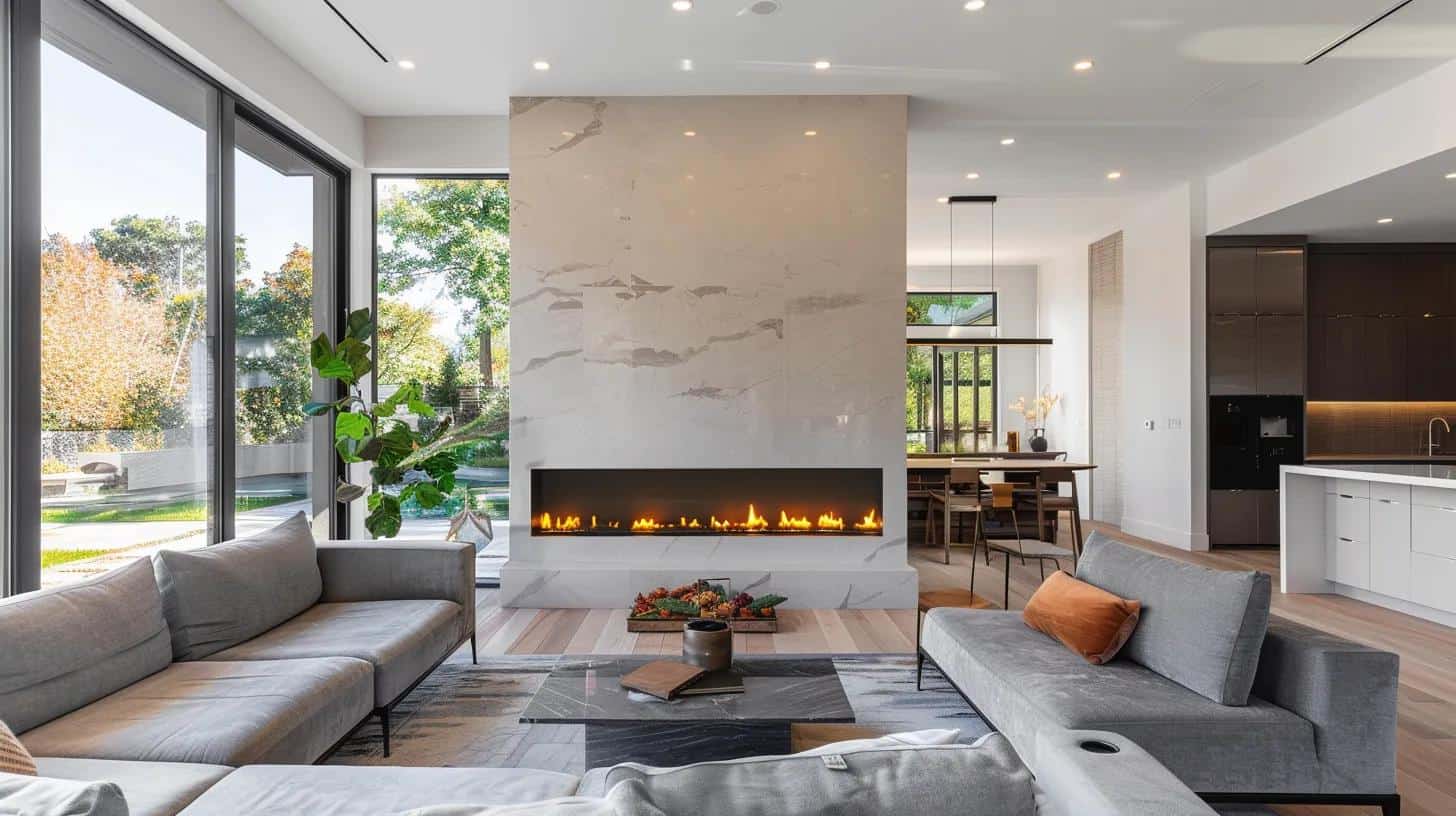
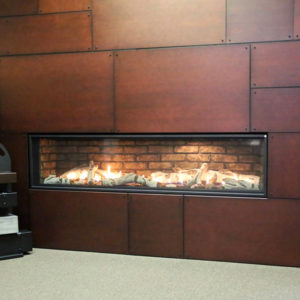
A sleek linear fireplace is a hearth appliance with an elongated, horizontal opening that highlights a continuous ribbon of flame — a contemporary focal point without the visual bulk of traditional fireplaces. Its low, wide profile works with modern sightlines and minimalist surrounds, letting designers create broad focal walls or inset displays that read horizontally instead of vertically. Linear units also support zone-heating strategies—supplemental warmth for living rooms, family areas, or entertainment nooks—and come in installation styles like recessed or multi-sided configurations. Understanding these features helps homeowners pair their aesthetic goals with practical needs and leads naturally into choosing fuel type and placement.
Linear fireplaces differ from masonry and box fireplaces in proportion, venting needs, and installation flexibility. Traditional masonry fireplaces rely on vertical chimneys and thermal mass to retain heat, while linear units emphasize a long viewing area and modular venting. That changes how heat spreads across a room and what wall construction and clearances are required. Knowing these differences makes it easier to pick the right unit for your layout and energy goals.

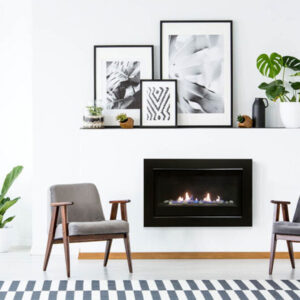
Design features that make linear fireplaces feel modern include slim bezels or frameless fronts, full-view glass, and customizable media such as crystals or narrow log sets that emphasize flame depth rather than bulk. Surround choices — black marble, thin porcelain panels, Dekton, or textured plaster — reinforce the linear look and allow flush installs beneath TVs or inside floating walls. These options give homeowners styling flexibility while keeping a compact profile that complements contemporary architecture.
Different linear models serve distinct use cases, from recessed units for clean built-ins to three-sided or see-through units for open-plan spaces. Each type has trade-offs around construction, venting, maintenance access, and sightline planning. Start with the visual goal, then evaluate practical issues like electrical access and vent routing, which we address later in this guide.
For homeowners ready to see options in person and get local support, Doodlebuggers Fireplace, Grill & Outdoor serves Pensacola, Destin, 30A, and Panama City Beach with showrooms in Pensacola and Destin, detailed estimates, and local installation services. Visiting a showroom helps you compare media and finishes, test flame styles, and schedule an in-home assessment when you’re ready. Local expertise complements the technical guidance below and gives buyers confidence when choosing certified technicians and hands-on consultation.
What Are the Benefits and Features of Electric Linear Fireplaces?
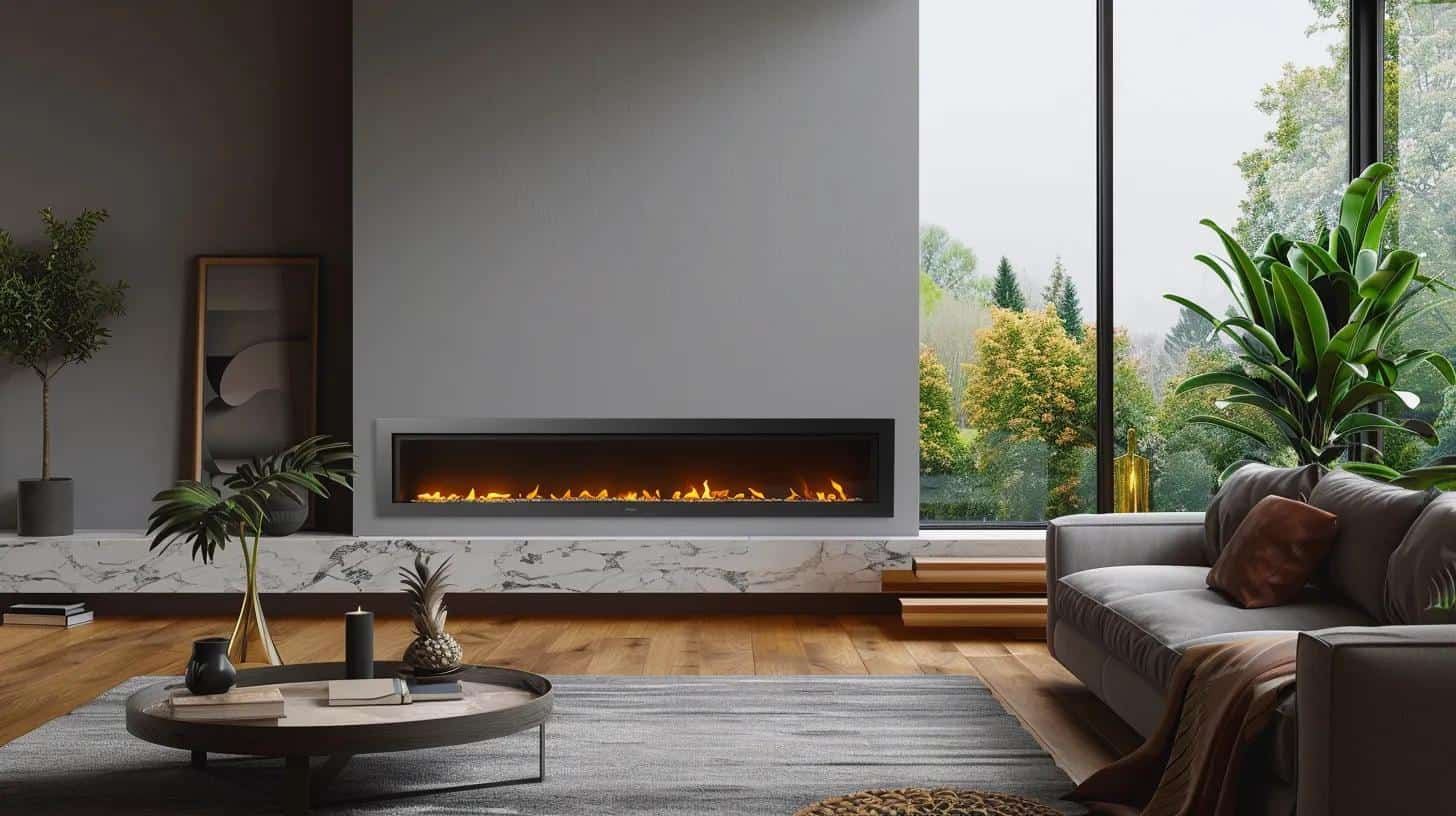
Electric linear fireplaces use LED flame modules and engineered media to recreate deep, convincing flames while running vent-free and without combustion — a low-maintenance choice for many modern interiors. LED systems layer backlighting, refractive media, and shadow play to produce depth and motion you can tune for color, intensity, and heat. Most electric units offer ambient-only modes plus supplemental electric heat, so you can prioritize mood or warmth as needed. Smart controls and app features are common, allowing scheduling, remote temperature control, and scene-setting — handy for daily use or managing a vacation property.
LED flame tech and smart controls improve realism and convenience while keeping operation energy-conscious. Multi-layer light projection and reflective media like crystal beds create depth, and smart thermostats and schedules help reduce energy use and let you control the fireplace remotely. The result is a visually impactful fireplace with predictable electrical needs and no venting complexity — ideal for condos, retrofits, or locations without chimneys.
Installation styles for electric linear fireplaces include fully recessed cavities for a flush finish and built-in cabinetry solutions that incorporate media and TV niches. Electrical needs vary from standard 120V circuits for lower-output units to dedicated 240V wiring for high-heat models, so correct breaker sizing is essential for safe operation. We recommend professional installation for recessed or hardwired units to confirm clearances and electrical compliance.
Electric linear fireplace features at a glance:
Overview paragraph: The table below compares core electric attributes and common homeowner benefits so you can quickly weigh visual features, heat modes, and control options.
This table shows how electric models balance realism, heat, and installation complexity. When sizing an electric linear fireplace, think about whether you need it mainly for ambiance or for supplemental heat as well.
Doodlebuggers stocks electric linear options from NetZero, Dimplex, and Modern Flames and offers detailed estimates and installation that match typical electrical and cavity requirements. Seeing flame styles and media in our showroom helps you plan electrical updates or recessed builds with local technicians. Schedule an estimate through a showroom visit to confirm the chosen unit fits both your aesthetic and electrical constraints.
How Do Modern Linear Gas Fireplaces Provide Efficient Heating and Realistic Flames?

Modern linear gas fireplaces produce long, continuous flame patterns using specialized burners and media layouts that boost realism while delivering effective zone heating. Burners are designed to vary flame height and width across the unit’s length, and decorative media — ceramic logs, glass, or crystals — interact with the flame to increase perceived depth. From a performance view, gas linear fireplaces provide measurable BTU output for supplemental heating; many homeowners use them to warm living areas without running central HVAC. Efficiency depends on model design, burner type, and venting, with direct-vent units offering strong combustion efficiency and controlled exhaust routing.
Ventless linear gas options offer installation flexibility and strong radiant heat because they don’t need a flue, which simplifies retrofits. That convenience comes with trade-offs: indoor air quality and proper room sizing require careful consideration. Homeowners should balance installation ease and heat output against air-quality implications and local code requirements.
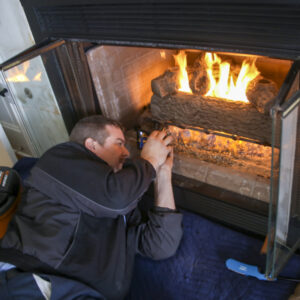
Routine maintenance and safety for gas linear fireplaces focus on annual inspections, cleaning burners and pilot assemblies, and checking venting and seals to keep combustion efficient and operation safe. Install carbon monoxide detectors, follow manufacturer clearances, and watch for burner sooting, pilot issues, or unusual smells. Hiring a certified gas technician for installation and yearly service ensures gas pressure checks, line inspections, and vent verification are done to industry standards.
Key gas linear fireplace advantages and considerations:
- Realistic Flame Presentation: Long burners and media options create depth and natural motion.
- Zone Heating Efficiency: High BTU output can heat living spaces without relying on full HVAC.
- Venting Trade-offs: Direct-vent models balance efficiency and indoor air quality; ventless models give placement flexibility but involve indoor combustion.
When safety and longevity matter, NFI Gas certification makes a difference. Doodlebuggers uses NFI gas-certified technicians and CSIA-certified chimney sweep services across Pensacola, Destin, and Panama City Beach for installations and annual maintenance, and we recommend scheduling inspections to protect safety and warranties.
To arrange local service or a detailed estimate, Pensacola homeowners can call 850-477-1151; those in Destin can call 850-243-0154 or email office@hugyourhome.com to get started.
How Can Sleek Linear Fireplaces Be Integrated into Contemporary Home Designs?

Putting a linear fireplace into a contemporary space means thinking about sightlines, material pairing, and heat management so the unit enhances the room rather than overwhelms it.
Placement options include long focal walls for widescreen compositions, under-TV installs with careful clearance planning, and multi-sided units that define adjacent areas while preserving sightlines.
Material choices — thin stone panels, textured plaster, or matte metal surrounds — reinforce a modern look and let the fireplace read as an intentional architectural element.
Heat-management strategies, especially near electronics or cabinetry, protect appliances and finishes over time.
Best practices for under-TV installations focus on thermal separation, manufacturer-recommended clearances, and solutions like heat deflection or shallow mantels to keep electronics safe.
Manufacturers publish exact clearance specs; options like recessed mantels, heat baffles, or ventilated shelves can shield devices while maintaining a cohesive media wall.
Choosing a TV with known heat tolerance and adding thermal buffers or appropriate mounts reduces long-term risk and helps preserve warranties for both the fireplace and the screen.
Multi-sided linear fireplaces make excellent room dividers by offering visual continuity and shared warmth to multiple zones, a good fit for open-plan homes that want subtle separation.
Structural planning must consider venting routes, service access, and load-bearing support when installing multi-sided units in partial walls or freestanding cores.
The outcome is a durable divider that provides sightlines and ambient heat while serving as a sculptural element in the space.
Design-integration checklist for linear fireplaces:
- Use this checklist to evaluate placement, sightlines, and material choices before installation.
- Placement: Confirm sightlines from main seating and traffic paths.
- Heat management: Plan thermal separation and media that safely disperses heat.
- Materials: Select low-profile surrounds and finishes that fit the room palette.
Following these practices helps homeowners balance aesthetics with serviceability and heat impact so the fireplace feels like a natural part of a contemporary interior.
What Should You Know About Linear Fireplace Installation and Professional Services in Florida?

Installing a linear fireplace in Florida means accounting for design needs and climate-appropriate choices — especially for outdoor or coastal installs where salt air and humidity affect material selection.
Site inspections verify that venting and clearances meet the AHJ (Authority Having Jurisdiction), and coastal installs often require corrosion-resistant finishes or extra sealing.
Choosing the right fuel type and model also depends on local conditions: electric and direct-vent gas models usually perform reliably with fewer site-specific venting challenges than wood systems.
Working with local professionals who know Pensacola, Destin, and Panama City Beach practices reduces surprises during planning and installation.
NFI Gas-certified technicians follow a standard installation workflow that checks gas pressures, electrical connections, clearances, and vent integrity to keep operation safe and efficient.
A typical NFI Gas-certified installation includes a pre-install inspection, framing and clearance checks, secure gas or electrical hookup, combustion and pressure tests for gas units, and a final operational and safety walkthrough with the homeowner.
We provide documentation after service to support warranty claims and long-term maintenance planning.
Hiring NFI Gas-certified technicians helps protect indoor air quality, ensures compliance, and delivers predictable system performance.
The table below outlines common installation and service options, the certifications or checks generally required, and typical timelines or price indicators to help with planning.
This overview helps homeowners plan timing, scope, and budgeting when comparing installation and service options.
For Florida homeowners, understanding these steps before you pick a model reduces delays and ensures installations meet code.
Doodlebuggers Fireplace, Grill & Outdoor provides detailed estimates, showroom visits, and local certified installation services in Pensacola, Destin, and Panama City Beach, and NFI gas-certified technicians are available for gas installs and annual maintenance.
Pensacola homeowners can call 850-477-1151 for estimates and service planning; Destin-area customers can call 850-243-0154 to schedule a showroom visit or technician assessment.
Using local installers who understand Florida building codes and coastal considerations streamlines the process from planning to final inspection.
What Are Common Questions About Sleek Linear Fireplaces?

A linear electric fireplace is an elongated electric hearth designed to emphasize a wide horizontal flame effect using LED modules and decorative media; it differs from other electric fireplaces by offering a broad viewing aperture and a low-profile install.
Electric linear units usually run vent-free and can offer both ambient modes and supplemental electric heat, making them well suited to modern interiors and retrofit projects where venting is impractical.
Knowing this difference helps homeowners weigh electric realism against the combustion characteristics of gas models.
Linear fireplaces can be energy-efficient depending on fuel and use: electric units convert nearly all input power into local heat and ambiance, while gas units deliver higher BTU output for effective zone heating.
Operating costs depend on local electric and gas rates, the model’s heat output, and how often you run the unit: electric options are efficient for point-of-use but can be costly for continuous heating, whereas gas units provide more heat per hour but require combustion safety checks and possible vent work.
Picking the most cost-effective option depends on whether you want ambiance, supplemental heat, or a primary heating source for a zone.
Common buyer considerations summarized:
- Fuel choice: Align aesthetic goals with heating needs and venting feasibility.
- Placement: Confirm sightlines, TV clearances, and service access before ordering.
- Service: Account for permits, certified technician fees, and annual maintenance.
Answering these questions helps buyers move from idea to purchase with realistic expectations about performance, costs, and ongoing service.
If you want in-person comparisons or a free estimate, local showrooms and certified technicians provide the on-the-ground support that makes installation predictable and safe.
Frequently Asked Questions
1. What are the key differences between electric and gas linear fireplaces?
Electric linear fireplaces use LED technology to create realistic flame effects without combustion, so they’re low-maintenance and vent-free — a good pick where venting is difficult. Gas linear fireplaces produce real flames and require proper venting for safety and efficiency; they typically deliver higher BTU output for effective zone heating. The right choice depends on aesthetics, installation limits, and how much heat you need: electric for convenience and visuals, gas for stronger heat and traditional flame behavior.
2. How do I maintain my linear fireplace for optimal performance?
Regular maintenance keeps your fireplace safe and efficient. For gas units, schedule annual inspections with a certified technician to check gas lines, burners, and venting. Clean the pilot assembly and burners to prevent soot. For electric units, verify LED components and clean decorative media to preserve the visual effect. Always install carbon monoxide detectors near gas appliances and follow manufacturer maintenance instructions to extend the life of your unit.
3. Can linear fireplaces be installed outdoors?
Yes — linear fireplaces can be installed outdoors, but outdoor models are built for weather exposure and usually use corrosion-resistant materials. For outdoor installs, ensure proper ventilation and clearance from combustibles. Consider local climate factors like humidity and salt air, which can affect longevity. Consult a professional from Doodlebuggers Fireplace, Grill & Outdoor to confirm compliance with manufacturer and local requirements and to optimize performance and durability.
4. What are the best materials to use around a linear fireplace?
Good material choices balance style and safety. Thin stone panels, textured plaster, Dekton, and matte metals are popular for modern linear fireplaces — they look clean and are typically non-combustible. Use heat-resistant finishes where needed and follow manufacturer clearance guidelines to protect finishes and ensure safe operation while maintaining the desired aesthetic.
5. How do I choose the right size linear fireplace for my space?
Pick a size by considering room dimensions and heating goals. Measure the install area so the fireplace fits the design without overpowering the room. Check BTU ratings if you need supplemental heating; larger spaces usually require higher output models. Aesthetically, the unit should align with sightlines and focal points. A pro consultation can help match size, output, and design for the best result.
6. Are there any safety concerns with linear fireplaces?
Yes — safety matters. For gas models, always use certified technicians for installation to prevent leaks and ensure proper ventilation. Schedule regular maintenance to catch burner or vent issues. For electric units, confirm electrical connections meet local codes and manufacturer instructions to avoid overheating. Install carbon monoxide detectors near gas units and follow all safety guidelines to minimize risk.
7. What are the installation requirements for linear fireplaces in Florida?
In Florida, installations must follow manufacturer requirements and local regulations, especially for venting and clearances. Coastal installations often need corrosion-resistant materials because of salt air. Work with local pros who understand Florida codes and climate effects. Have NFI Gas-certified technicians handle gas installs to verify pressures and safety standards, and make sure site inspections meet the Authority Having Jurisdiction (AHJ) rules for safe, compliant installations.

Conclusion
Sleek linear fireplaces bring modern style and practical warmth to contemporary homes. Understanding types, installation options, and maintenance needs lets you choose a model that fits your design and comfort goals. Explore our selection of linear fireplaces and local installation services to find the right fit, then contact Doodlebuggers Fireplace, Grill & Outdoor to schedule a consultation and make your space feel even more inviting.