What’s the Best Type of Fireplace for Heat?
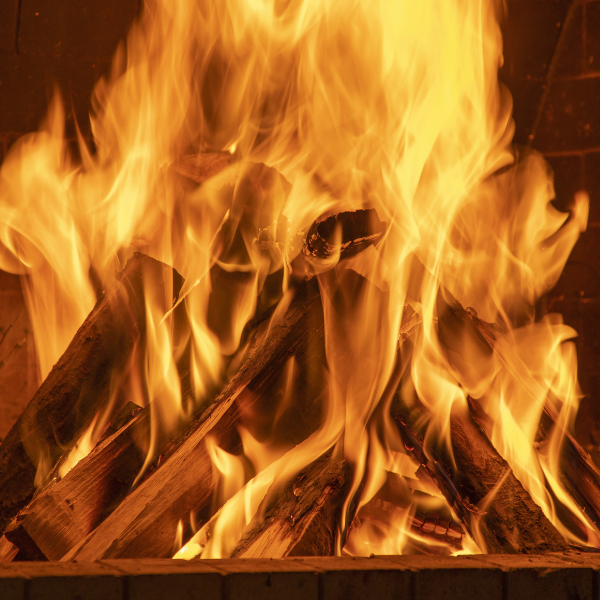
Are you looking for a fireplace that will bring more heat to your home? Doodlebuggers Fireplace, Grill & Outdoor Store of Pensacola, FL, and Destin, FL, would like to share some helpful facts about fireplaces and heat.
Heat loss and insufficient heat
The heat of the fireplace isn’t the only thing that determines how warm a room or home will be. Heat loss and impaired heat production in the appliance will also affect how cozy a space feels.
Two key elements in heat production
The heat levels a fireplace can produce are related to its BTU output and heating efficiency.
BTU output
The BTU rating of a gas or wood fireplace tells how much heat the appliance can produce. Modern fireplaces come in a variety of BTU outputs, making it easy to get the right model for the size of your room.
Heat-efficiency rating
A fireplace’s heat-efficiency rating doesn’t indicate how much heat the unit can produce, but rather how much of its heat it will actually deliver to your home. Manufactured fireplaces and fireplace inserts often come with heat-efficiency ratings of 70% and higher. Traditional masonry fireplaces may get up to 15%, if they’re lucky.
Heat lost up the chimney
As noted above, masonry fireplaces, because of their open design, are notorious for allowing the majority of their heat to escape up the chimney. Not only do they lose heat, but they also tend to be drafty, which makes a room cooler when the fireplace isn’t being used.
Super drafty home
A particular problem in some older homes, house drafts can deplete the heat produced by a fireplace. Windows, doors and other breaks in wall spaces allow colder outside air to come in and act as an air conditioner.
Weak insulation
Another common problem in older homes is poor insulation. When a house isn’t properly insulated, outside cold permeates the walls and goes right into the living spaces.
Firebox damage
When a firebox has cracks or breaks in its surfaces, heat can escape and never make it out to your room.
Chimney flue issues
If you use a wood fireplace, blockages or damage in the chimney flue can cause fires to burn sluggishly and never reach their heat potential. Excess creosote and outside debris are common causes of obstructions. An incorrectly sized flue and damage to the flue liner can also affect how efficiently fire burns.
Different types of fireplaces for your home
If you’re looking to bring more heat home, here are some ways to do it.
Manufactured wood and gas fireplaces
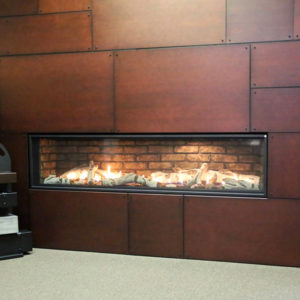
These pre-made units install in a wall and run on a closed-combustion system to retain the majority of the heat they produce. They’re highly insulated and feature attractive finishes and exciting firebox visuals.
Gas or wood fireplace inserts
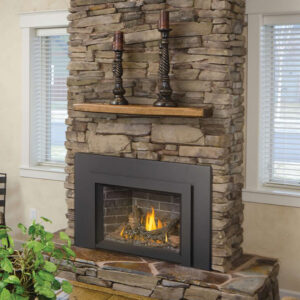
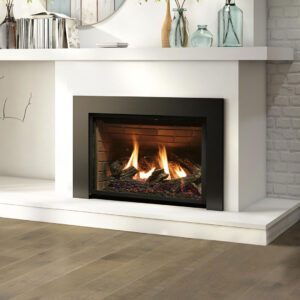
Fireplace inserts are built to fit into the open firebox of a masonry fireplace. They’re amazingly efficient and retain the majority of their heat while providing a lovely decorative amenity for the room.
Gas log sets
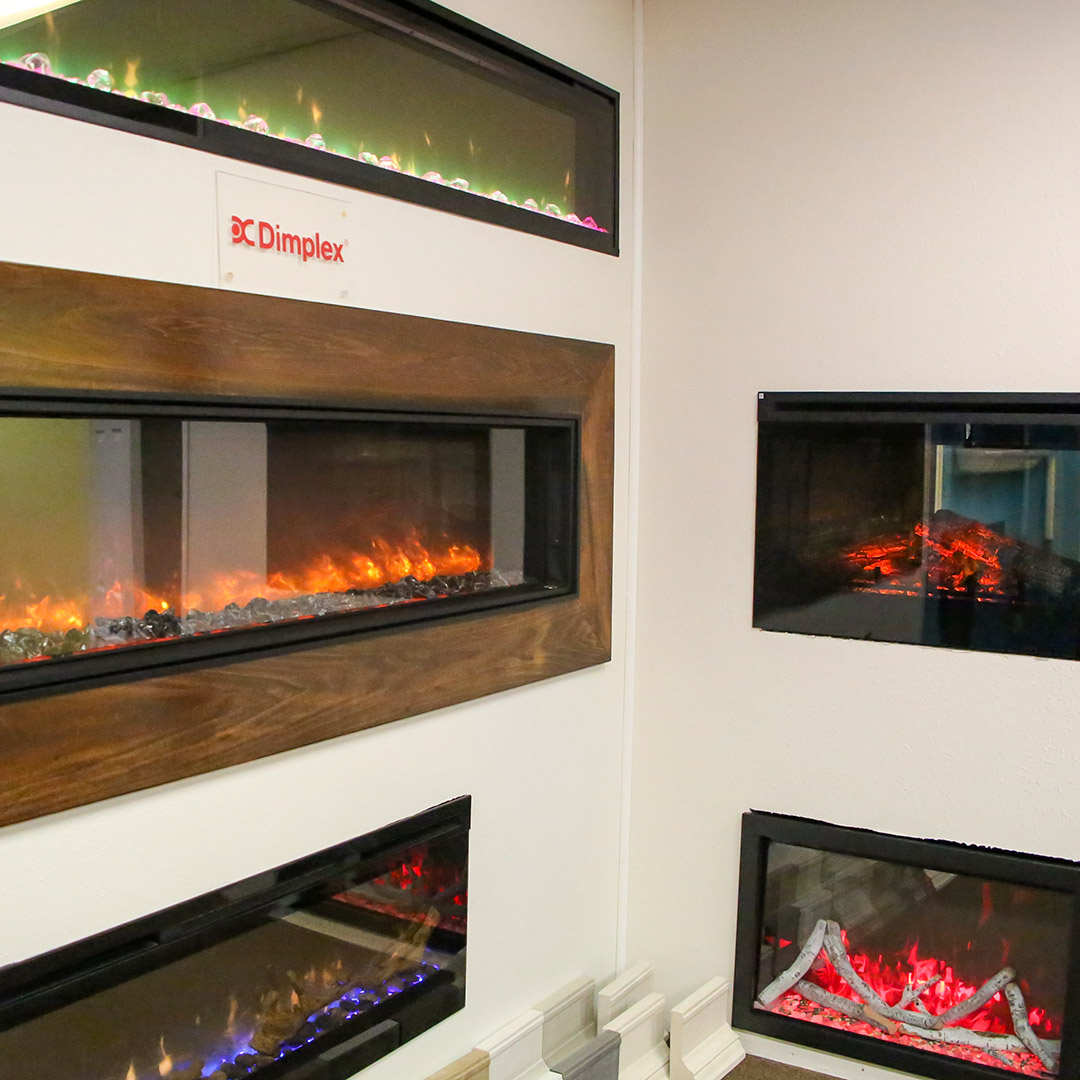
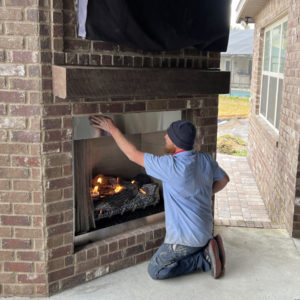
Gas log sets are like little fireplaces unto themselves. They can be installed in most types of open fireboxes to bring efficient heat and gorgeous aesthetics with logs that look amazingly like the real thing.
Ready for a new, warmer fireplace?
Visit a Doodlebuggers Florida showroom to see the latest fireplaces, fireplace inserts and gas log sets. Call 850-477-1151 in Pensacola or 850-243-0154 in Destin, or contact us online.