Do You Have a Chimney Leak? Here’s What You Need to Know.
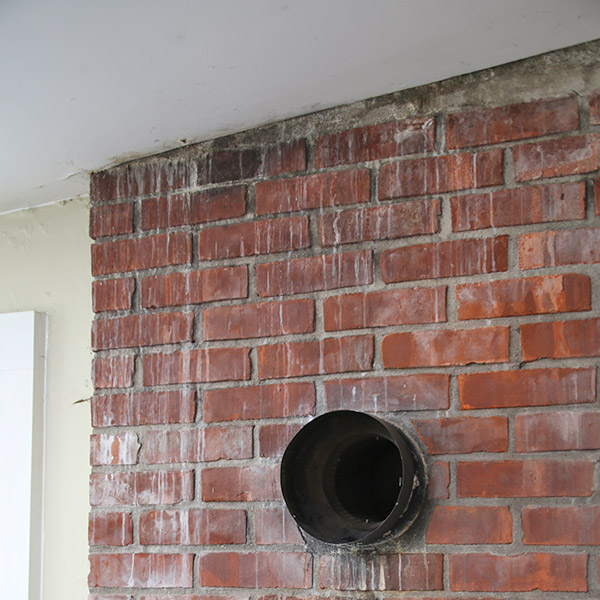
Chimney leaks are tricky. They can happen for many reasons, and homeowners often don’t realize it until significant damage has already happened. Doodlebuggers Fireplace, Grill & Outdoor Store of Pensacola, FL, and Destin, FL, would like to share some helpful information about chimney leaks.
How do chimneys leak?
In the chimney services industry, we refer to any situation in which water is moving into a chimney system as a “leaky chimney.” This can be caused by:
- A damaged or missing chimney cap
- Cracks in the concrete chimney crown
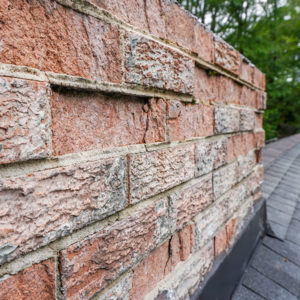
- Damaged masonry, including spalling or cracked bricks and crumbling mortar
- Warped or rusted-out chimney flashing
Signs of a leaky chimney
While you won’t always know exactly when a chimney leak begins, as it progresses, there will be signs you can spot:
- Musty odors coming from the fireplace
- Water dripping into the firebox
- Damp patches on the walls or ceiling near the chimney and fireplace
- Flaking, cracking, and crumbling within the chimney’s exterior masonry
- White stains on the masonry (means water is penetrating the bricks)
- A squeaky, rusty fireplace damper
What can happen if a chimney leak is ignored
When chimney leaks aren’t resolved promptly, serious problems can occur.
Major structural damage
Water gets into bricks and begins a cycle of interior deterioration. If allowed to continue, the chimney can start leaning to one side or collapse entirely.
Damage to the chimney liner
Depending on where and how much water is getting in, your chimney liner can be affected. When a chimney liner is compromised, intense heat, flames, and combustion gases can escape from it. The result can be damage to parts of your home, a house fire, or the spread of deadly carbon monoxide into your home.
Rotting in home building materials
Widespread chimney leaks can cause rotting in roofs, walls, ceilings, and flooring.
Mold growth
Mold is a living organism that thrives in dark, damp, and poorly ventilated spaces – which perfectly describes many areas within a chimney’s interior. A major mold outbreak may go unnoticed until people in the home begin having breathing trouble, headaches, dizziness, and other symptoms that mold exposure can cause.
What to do about a chimney leak
The first step is to contact a qualified chimney services company. Your technician will perform a thorough chimney inspection to determine four things:
- Why the chimney is leaking
- Where the leak originates
- How much direct damage has been caused by the leak
- How much, if any, collateral damage has happened
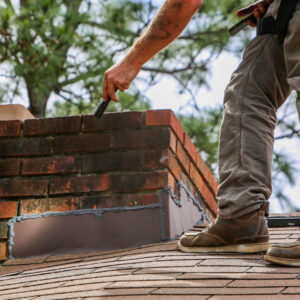
An experienced chimney technician will have the tools and skills to make repairs and install new components to protect the chimney from water. He or she can also apply a waterproof sealant to the chimney’s masonry to prevent water from getting into the bricks and mortar in the future.
What to do about a chimney leak
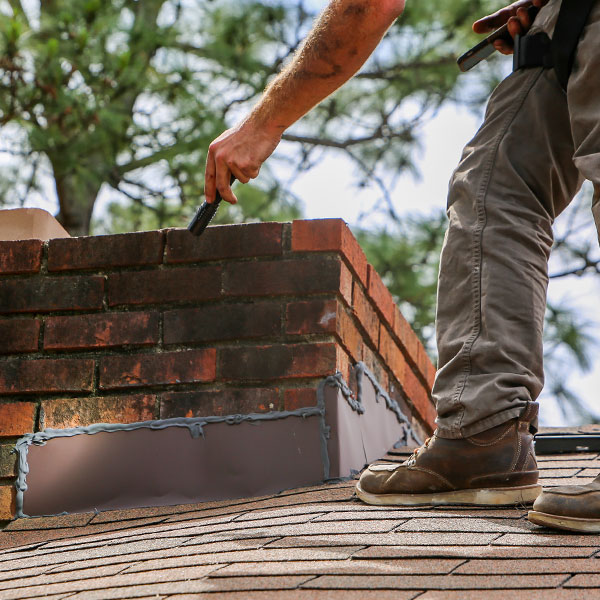
The first step is to contact a qualified chimney services company. Your technician will perform a thorough chimney inspection to determine four things:
The key to dealing with a leaky chimney is quick action. This is why it’s a good idea to schedule an annual chimney inspection, whether or not you believe a problem exists. And in the meantime, keep an eye out for the signs of a chimney leak that we listed above.
Get your chimney into shape
Doodlebuggers specializes in chimney inspection and repair for all types of problems, including water leaks and water damage. We’re the name Florida trusts for expert workmanship and a safe, efficient chimney.
Reach a chimney expert today at (850) 477-1151 in Pensacola, FL, or at (850) 243-0154 in the Destin, FL, area. You can also get in touch with our handy contact form.